

Tim Cain, the Fallout co-creator and Troika founder, has a blunt take on the repeated questions about original work or a return to his classic RPGs. In a YouTube discussion posted on Friday, Cain laid out why he is not pursuing a new IP or a sequel to Fallout or Arcanum, and what his priorities look like after decades in the industry. The conversation also touches on the economics of game development, the roles he’s held at Obsidian, and the broader tensions surrounding ownership and profit sharing in an industry that has evolved far beyond its early, creator-driven days.
Cain’s central point is practical and personal: fans often want more original work or a revival of old favorites, but the financial reality has shifted. He says that other people have made way more money off of IPs he created than he ever did, by a wide margin, and he is not bitter, just exasperated by the persistent line of questioning. In the video, he uses a painter metaphor to describe the situation: a painter who is happy making art professionally finds that the paintings sell for sizeable sums, yet the person handling the frames ends up earning far more than the artist. While a financially viable path might exist, Cain says he’s not adept at navigating it and would rather keep producing what he calls his small, pleasurable works rather than chase a business model that profits others more than him.
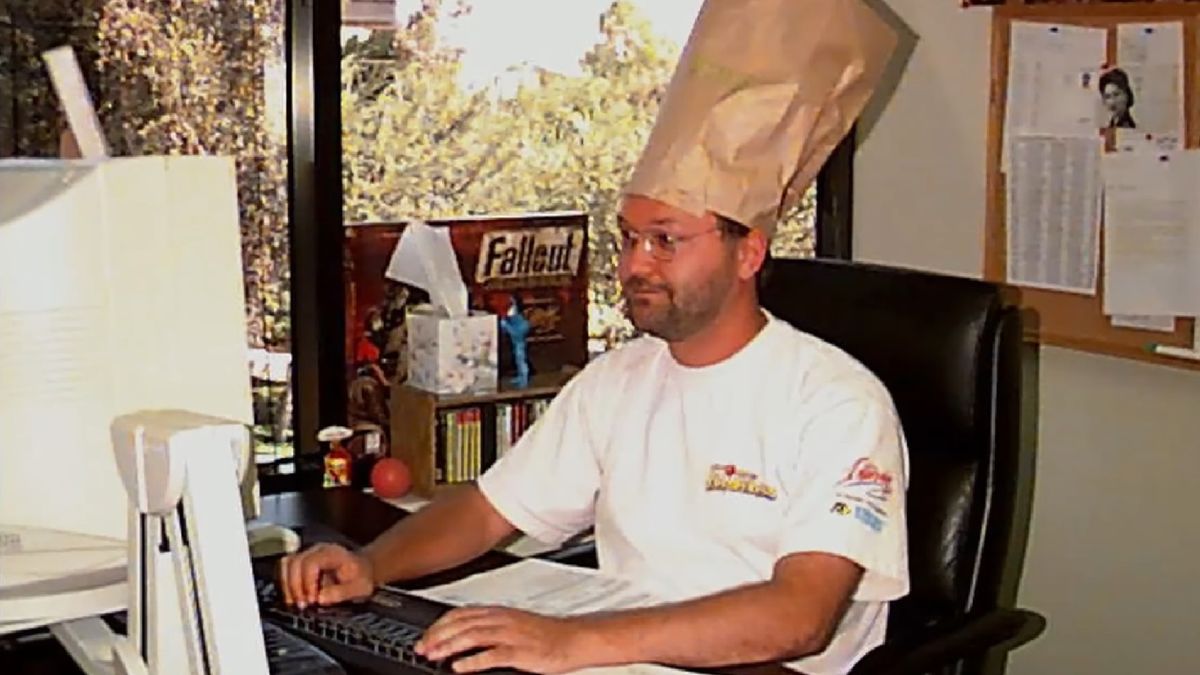
The core of Cain’s argument is not about bitterness toward fans or the industry, but about sustainable creation. He describes his current output as fun little doodles in a painting metaphor and notes that he’s moved on to other kinds of work. He emphasizes that, if someone truly cares about his goals, he is still making games and finds joy in that process, even if the financial rewards are not aligned with public expectations. He says he would like to see a pie-shared model in the industry, where when a painting sells, everyone involved benefits, a comparison he suggests mirrors long-standing practices in the film industry. The broader point is that the labor and distribution model within game development remains a contentious issue, and Cain points to labor rights concerns and the sometimes unequal economics that favor publishers and studios over individual creators.
Cain remains engaged with game development, though not as the sole driver of a single iconic project. He recently rejoined Obsidian full-time after a period as an external consultant on The Outer Worlds 2. His on-record credits include non-lead design roles on The Outer Worlds 2 and Pillars of Eternity, and he is credited as a rank-and-file programmer on a number of Obsidian titles, including South Park: The Stick of Truth, Tyranny, and the first Pillars of Eternity. The notes in the discussion suggest that his current or future contributions are more likely to be in the lines of support or collaboration rather than leading a new, standalone CRPG. In that sense, Cain’s statements in the video point toward a continued, if more modest, ongoing involvement in the craft rather than a dramatic comeback as a solo author of a new property.
Taken together, Cain’s remarks illuminate a broader conversation within culture and gaming about authorship, ownership, and the economics of creative work. The Fallout co-creator frames his stance as a response to a modern industry where legacy IPs generate outsized profits for large teams and shareholders, often leaving individual developers with less personal reward. He calls for a broader distribution of creative profits, echoing concerns about labor conditions and the sustainability of long careers in game development. This position sits at the heart of a culture debate: should creators tether their identities to a single, celebrated IP, or should they pursue new ideas with the freedom and financial balance that allow them to continue producing work that excites them?
Even as Cain debates the future, his past work remains accessible to players who want to experience his influence without the overhead of contemporary studios. He notes that fans can still engage with his CRPGs at relatively affordable prices, underscoring the lasting resonance of his early designs even as he articulates a clear preference for where his energy goes today. In the end, Cain’s stance reflects a broader tension in culture and opinion about how the industry values founders, how profits are shared, and how long a creator can sustain a career when the spotlight is often on the next blockbuster rather than the long arc of a creator’s body of work. It’s a conversation that continues to shape how players, developers, and publishers think about legacy, reinvention, and the true cost of creative freedom.